 Skip to content

Erasmus+ Courses in Madeira, Portugal
Discover Erasmus+ KA1 teacher training and structured courses in Funchal, Madeira. Learn with educators from across Europe while exploring an Atlantic island known for green mountains, coastal viewpoints and outstanding outdoor-learning opportunities.
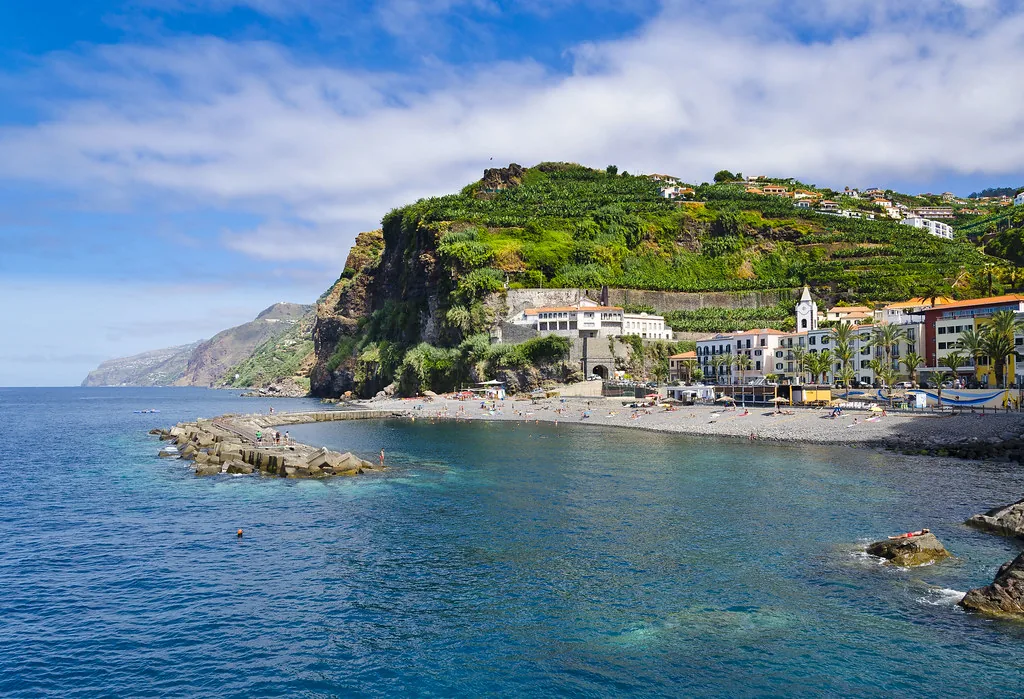
Find Erasmus+ teacher training in Madeira
Search structured courses and KA1 training sessions in Madeira.
Upcoming Erasmus+ courses in Madeira
Explore selected upcoming editions in Madeira. This is a preview, not a live calendar; verify every date and status in the official calendar.
Explore Erasmus courses for teachers in Madeira
Explore Learning Together’s six European training areas and check the current Madeira programme to see which topics have local editions.
AI & Digital Education
Explore practical AI, digital pedagogy and educational technologies for teaching and training.
Explore digital courses →Inclusion & Intercultural Education
Develop inclusive approaches, intercultural communication and supportive learning environments.
Explore inclusion courses →Wellbeing & Outdoor Education
Discover educator wellbeing, reflective practice and outdoor learning approaches.
Explore wellbeing courses →Leadership, Communication & Soft Skills
Strengthen collaboration, communication, leadership and professional relationships.
Explore soft skills courses →Language Learning & CLIL
Build language confidence and discover approaches to language teaching and CLIL.
Explore language courses →STEM/STEAM & Sustainability
Explore active STEM/STEAM learning, creative problem-solving and sustainability education.
Explore STEM courses →Why choose Madeira for Erasmus+ teacher training?
Combine practical professional development with Madeira’s island culture, mild climate, extraordinary landscapes and opportunities to learn beyond the classroom.
European professional exchange
Connect with teachers and education professionals from multiple countries and share classroom-ready ideas.
Nature as a learning resource
Experience the island’s dramatic landscape and opportunities for environmental and outdoor education.
Practical training
Develop useful professional methods through structured workshops and collaboration.
Madeira’s island environment
Explore Funchal, scenic viewpoints and local traditions during free afternoons.
Learn in Madeira. Take inspiration outdoors.
From Funchal’s streets to subtropical gardens and mountain trails, Madeira offers a distinctive Atlantic setting for educational exchange, reflection and new approaches to learning.
An Atlantic island shaped by exploration, nature and culture.
Madeira’s maritime history, distinctive landscapes and living traditions create a rich cultural setting for professional mobility. Madeira is an autonomous region of Portugal, located off the coast of Africa. The archipelago is made up of 2 main islands - Madeira & Porto Santo - as well as several smaller ones. It was first discovered by Portuguese explorers in 1419, and since then, it has been a popular destination for travelers seeking sun, sea, and adventure!
An Atlantic crossroads
Portuguese settlement in the early fifteenth century established Madeira as an important Atlantic island.
Discover more +
The growth of Funchal and its port reflects the island’s role in maritime trade and intercultural exchange.
A unique natural heritage
Madeira’s Laurisilva forest is a UNESCO World Heritage property, protecting remarkable native vegetation.
Discover more +
The island’s levadas and protected natural areas provide opportunities to consider sustainability and experiential education; access depends on trail conditions.
Gardens, markets and island traditions
Funchal combines historic architecture, gardens, waterfront promenades and a distinctive island food culture.
Discover more +
Explore local crafts, markets and seasonal cultural activities while respecting the community and environment.
Plan your Erasmus+ training with confidence.
Practical guidance for educators and Erasmus+ coordinators preparing staff mobility in Funchal, Madeira Island, Portugal.
Who can participate?
Our structured courses are designed for educators and education professionals. Check each programme for its intended audience, teaching language and recommended entry level.
Course format and learning outcomes
Training normally combines interactive workshops, collaborative activities, professional exchange and practical methods to apply after returning home. Exact duration, daily schedule, objectives and included cultural activities are shown on individual course pages.
Erasmus+ funding and course fees
Erasmus+ grant support: Depending on your approved mobility project and applicable Erasmus+ rules, funding may cover course fees and contribute towards travel and individual support for accommodation and meals. Your sending organisation confirms eligibility, grant amounts and reimbursement conditions.
Included in our course fee: Structured training, pedagogical and mobility coordination, course administration, training-related logistics, teaching methodologies, learning materials and applicable course documentation and certification.
Not included: Flights, accommodation, meals and personal expenses. We provide destination guides, practical travel information and accommodation suggestions to help participants plan their stay.
Certificates and documentation
Learning Together supports course-related mobility documentation and certificates, subject to participation and applicable requirements. Discuss Learning Agreements and Europass documentation with your mobility coordinator.
Everything you need for your stay.
Plan your arrival, accommodation and free time in Madeira after your course is confirmed.
Getting here & local transport
Cristiano Ronaldo Madeira International Airport (FNC) is the island’s main air gateway, east of Funchal.
- Airport to Funchal: Airport buses, taxis and transfers connect the airport with central Funchal; check routes and schedules.
- Within the city: Central Funchal is walkable in parts but steep gradients can affect accessibility.
- Island excursions: Public buses and organised tours can reach attractions outside Funchal; some locations require planning.
- Outdoor safety: Check weather, trail status and transport before undertaking levada or mountain walks.
Accommodation & stay
Our team can provide practical accommodation suggestions in Funchal after your course and venue are confirmed.
- IMPORTANT: Do not book flights or accommodation until you have completed full registration and received written confirmation of the course, dates and venue.
- Where to stay: Depending on the venue, central Funchal or the Lido area may be convenient for hotels, shops and restaurants.
- Venue: The final venue is provided for your specific edition.
Madeira food & culture
Madeiran cuisine reflects Atlantic seafood, local agriculture and distinctive island traditions.
- Local dishes: Espetada, bolo do caco, lapas and fresh local fish.
- Markets and flavours: Explore traditional markets and local fruit varieties in Funchal.
- Explore further: Enjoy seaside cafés and harbour views; Madeira wine is part of the island’s culinary heritage.
What to see & do
Madeira offers a wide range of heritage visits, nature and cultural activities for free afternoons and weekends.
- Local landmarks: Funchal Old Town, Mercado dos Lavradores, Monte Palace gardens and the harbour.
- Nature and coast: Laurisilva viewpoints, botanical gardens, levada landscapes and Atlantic coastlines; check safe access.
- Arts and festivals: Museum visits, cultural events and seasonal festivities depending on the date of your mobility.
Inspiration beyond the classroom.
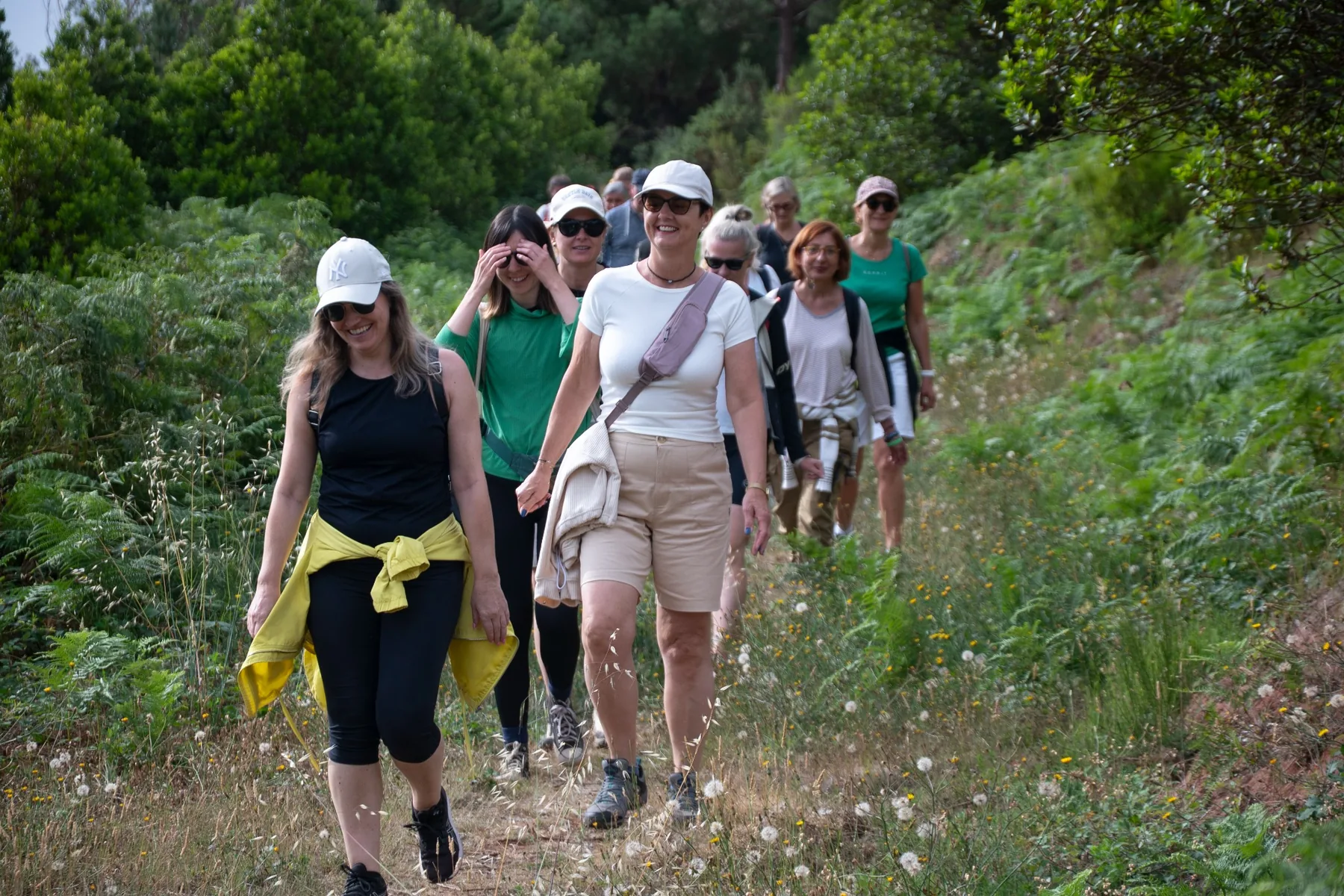
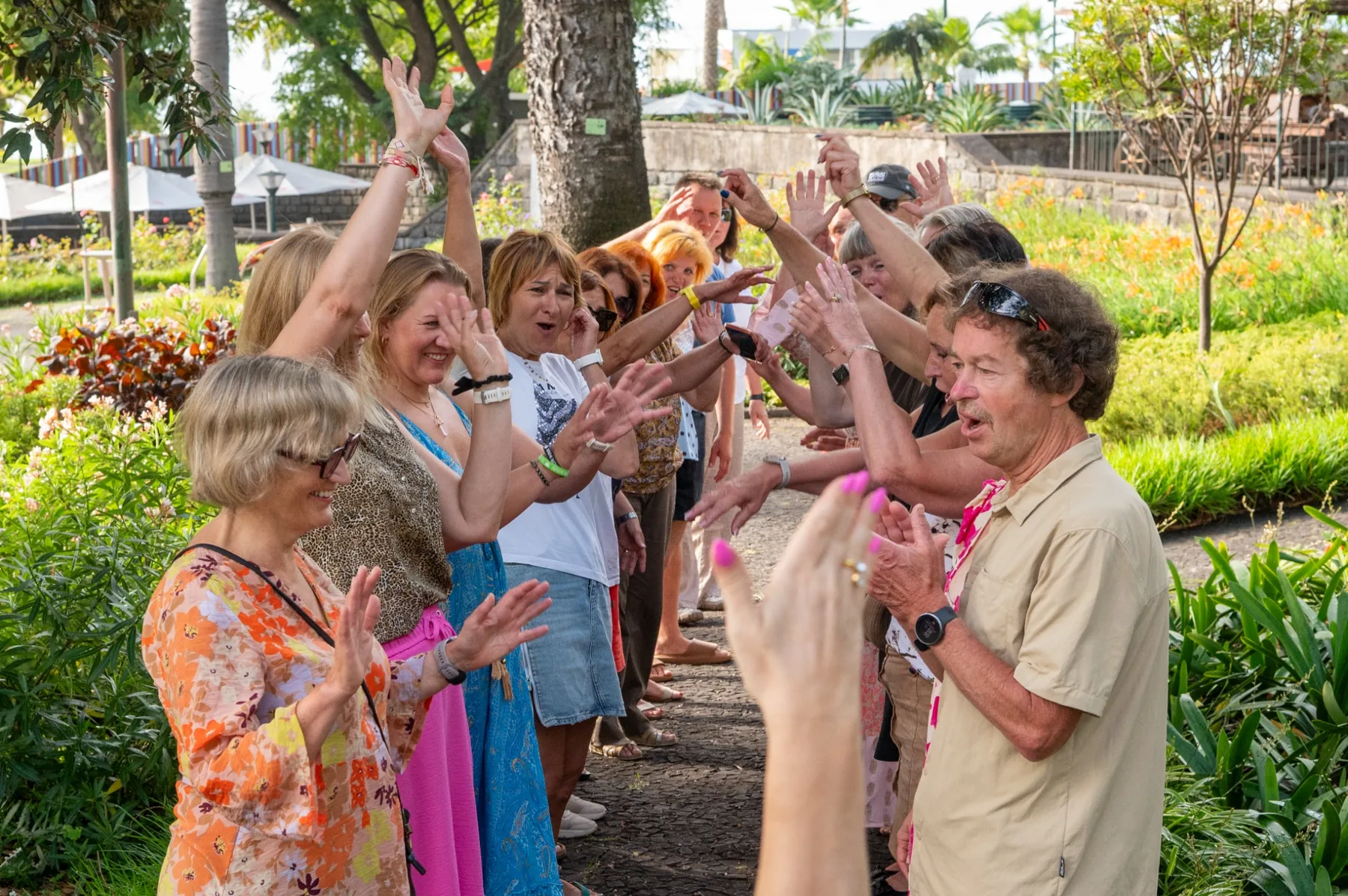
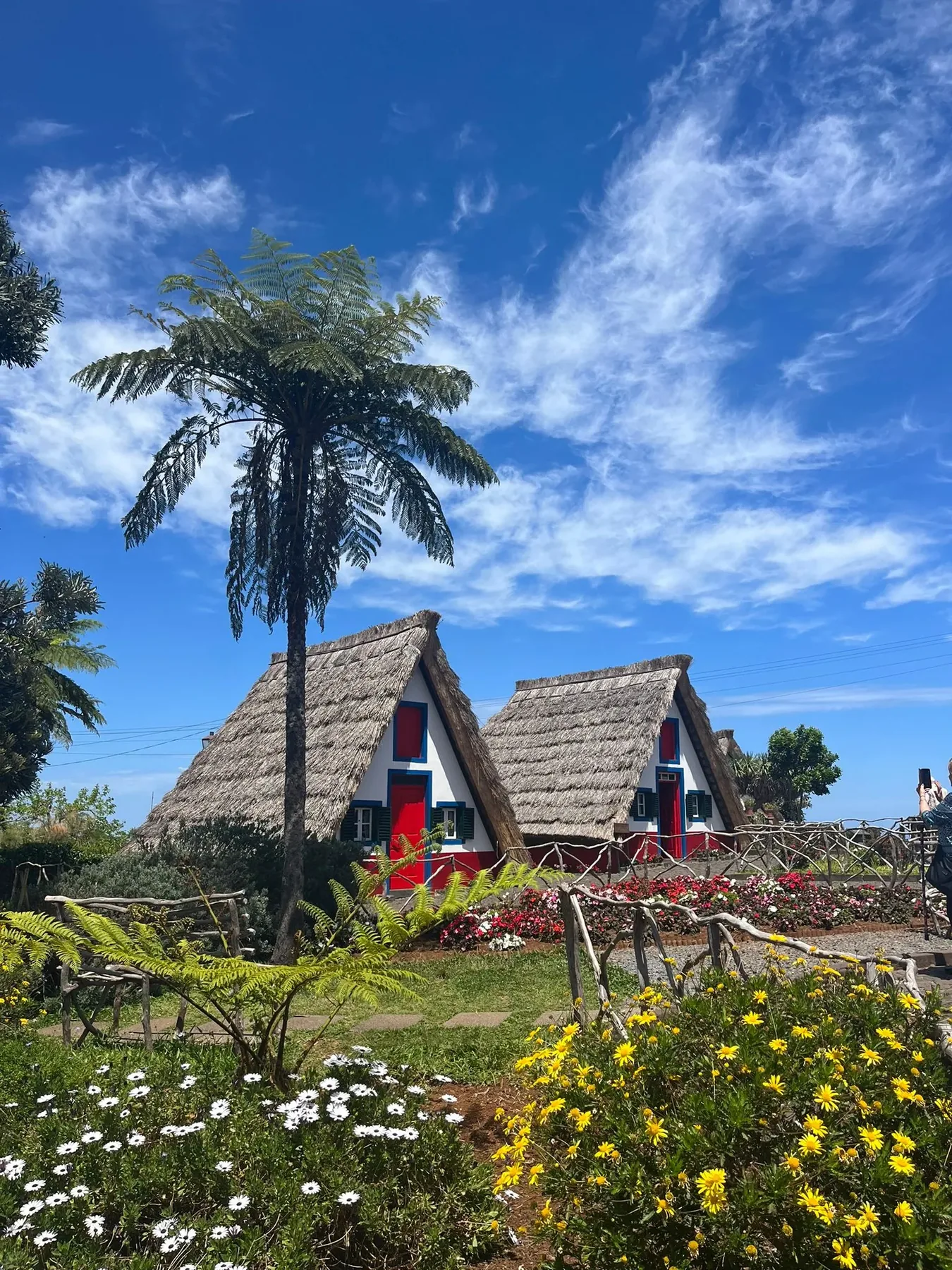
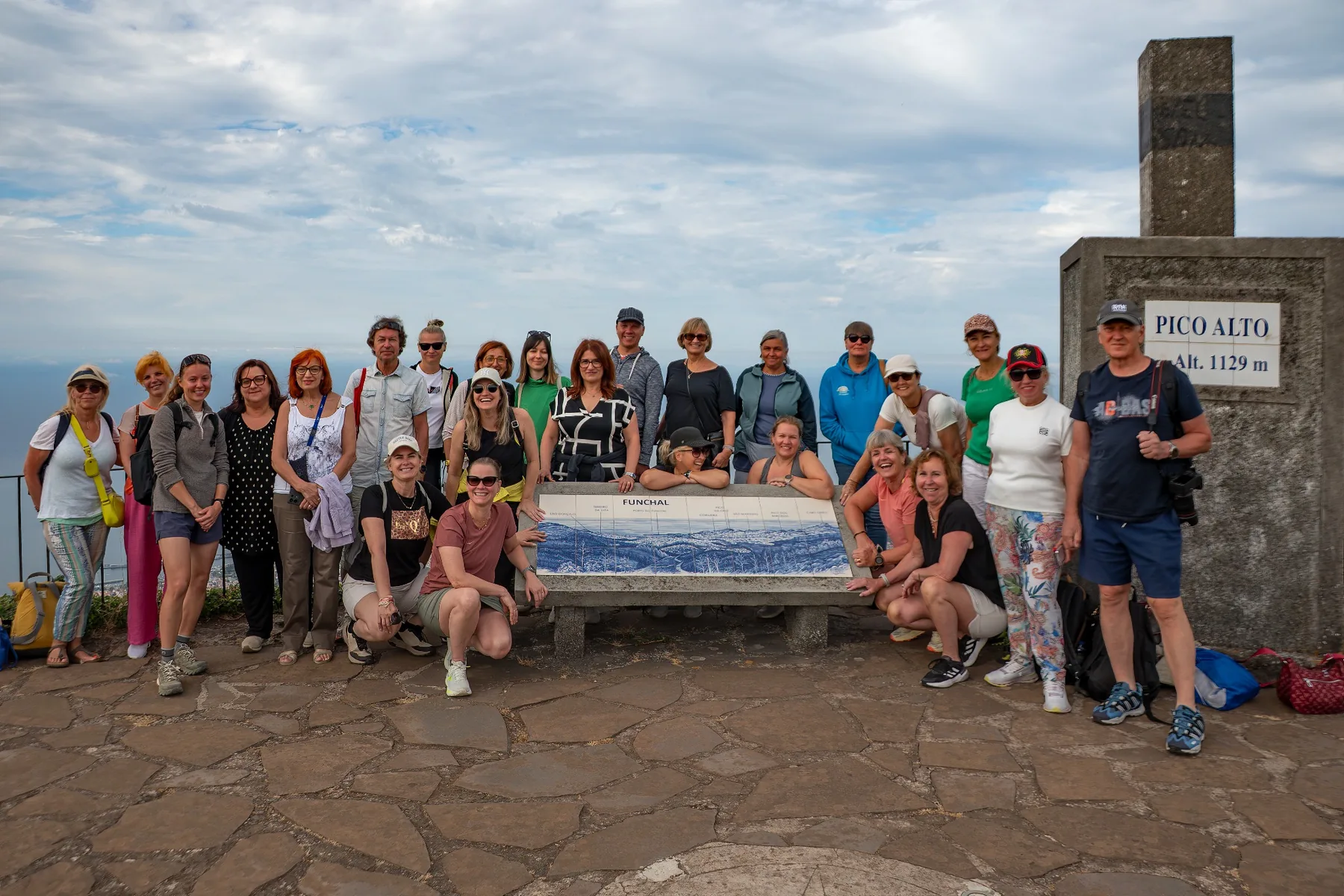
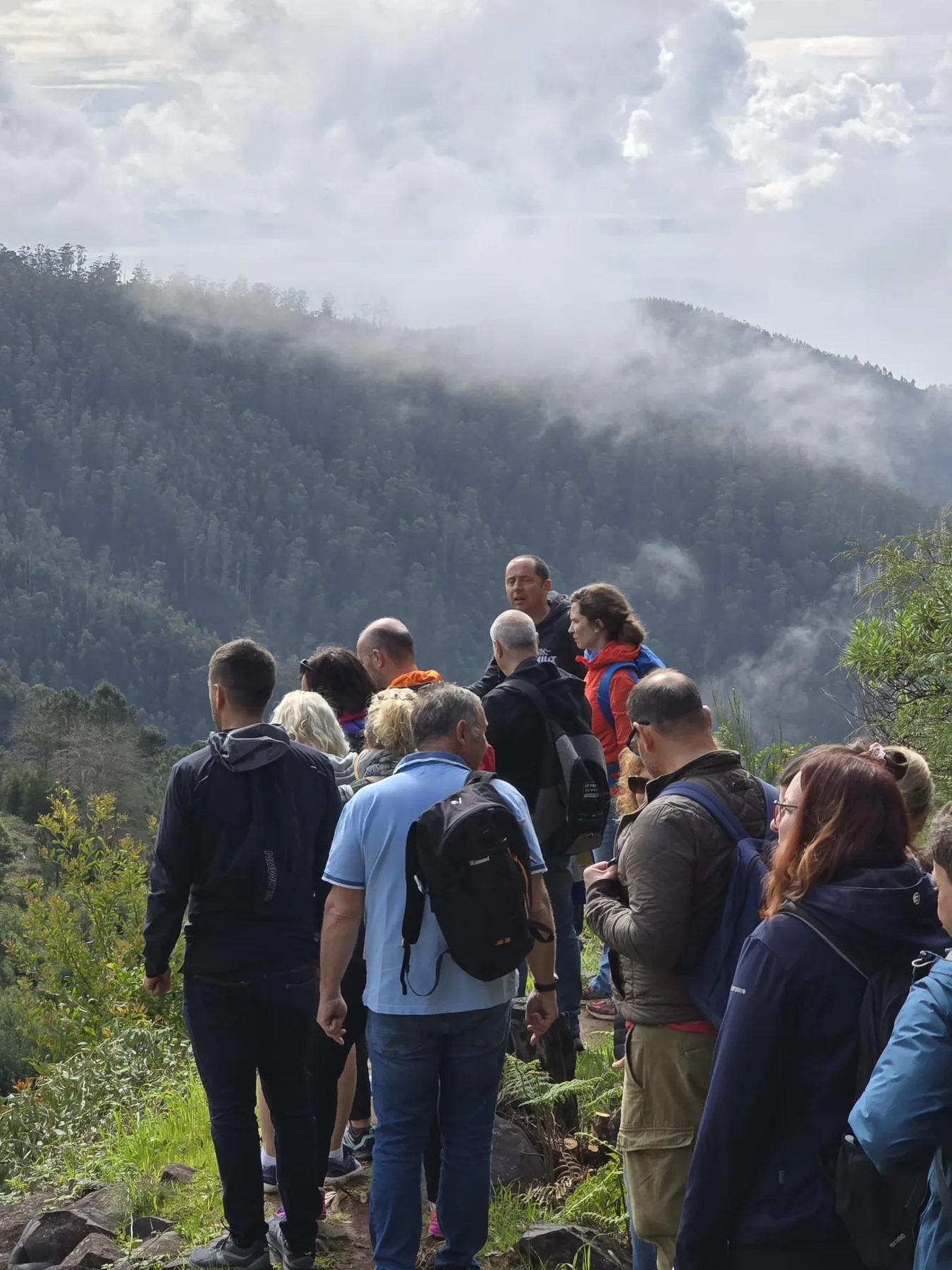
Explore the history, landscapes and everyday culture that make Madeira a distinctive European learning destination.
Erasmus+ Madeira FAQs.
Answers to frequently asked questions about Erasmus+ KA1 training and mobility in Madeira.
Where does Erasmus+ training in Madeira take place?
Courses take place at venues selected for each edition in Funchal. The precise address is confirmed in writing after registration.
Can an Erasmus+ KA1 grant cover these courses?
Eligibility depends on the approved project, applicable Erasmus+ rules and your sending organisation. Confirm grant and reimbursement arrangements with your coordinator.
Where can I check confirmed Madeira course dates?
Consult the official Learning Together calendar and the relevant course page.
How long are courses in Madeira?
Course duration varies by programme, commonly five or six days. Refer to the individual course page for schedules, learning outcomes and any included cultural activities.
Are travel, meals and accommodation included?
No. Course fees cover the stated training and related services; flights, accommodation and meals are arranged separately. Erasmus+ grants may support eligible costs.
Can schools register teams or request mobility documents?
Yes. Contact Learning Together to discuss group participation, Learning Agreements, certificates and applicable documentation.
Considering another Erasmus+ destination?
Compare European training opportunities across Portugal, Spain and Poland.
Your next Erasmus+ experience could start in Madeira.
Discover structured training, connect with European educators and explore Funchal, Madeira Island, Portugal.
All Courses in Madeira
 ◷
5 / 6 days
Teaching with AI – Tools and Techniques
Test AI tools for lesson planning, classroom resources and teaching techniques. Explore critical evaluation and practical integration in daily lessons.
 ◷
5 / 6 days
ChatGPT – How to Handle AI in Schools
Practise using ChatGPT and generative AI for lesson planning, classroom activities and responsible school use. Review accuracy, ethics and digital literacy.
 ◷
5 / 6 days
Outdoor Education – Nature as a Learning Space
Design inclusive outdoor learning activities using nature as a classroom. Explore place-based teaching, collaboration and reflection.
 ◷
5 / 6 days
AI for Innovative Teaching: Writing, Video, Audio
Produce teaching resources with generative AI for writing, images, audio and video. Explore creative lesson design, accessibility and responsible use.
 ◷
5 days
Wellbeing First – Stress Relief Strategies
Practise accessible stress-relief techniques, reflection and wellbeing routines for educators facing classroom demands and professional overload.
 ◷
5 / 6 days
Wellbeing Outdoors – Mind, Health and Stress Relief
Combine nature, movement and reflective activities for educator wellbeing. Explore inclusive outdoor practices and practical stress-management ideas.
 ◷
5 / 6 days
AI Assistant for Teachers and Trainers
Explore AI assistants for lesson planning, communication and workload management. Practise responsible use of ChatGPT, Copilot and related tools.
 ◷
5 days
Positive Learning and Wellbeing in Schools
Explore positive education, classroom belonging and practical wellbeing routines. Build strategies that support participation and relationships.
 ◷
5 / 6 days
Stress Management Through Mindfulness, Yoga, and Meditation
Practise mindfulness, yoga and meditation techniques for stress awareness and educator wellbeing, with ideas to adapt appropriately to schools.
 ◷
5 days
Cheerful Classroom – Joy in Learning
Explore positive classroom routines, motivation and creative activities that support joyful, participatory learning and stronger teacher-student relationships.
 ◷
6 days
There is No Planet B
Explore climate literacy and environmental responsibility through practical sustainability education and school action-planning activities.
 ◷
5 days
AI Prompt Engineering for Educators
Develop reusable prompts for lesson planning, feedback and classroom resources. Practise prompting frameworks, quality checks and responsible AI use.
 ◷
5 / 6 days
Digital Literacy for Teachers – Navigating ICT
Build practical digital literacy and ICT skills for lesson planning, student engagement and the effective use of classroom technology.
 ◷
6 days
Green Future – Mapping a Plastic-Free Living
Explore plastic pollution and circular-economy education. Design student activities and school actions for reducing waste and improving sustainability.
 ◷
5 / 6 days
Building a Sustainable Future
Explore climate awareness and environmental education through collaborative activities. Design practical sustainability ideas for your school.
 ◷
6 days
Education for Sustainable Living
Explore sustainability, responsible choices and learning activities that connect environmental awareness with practical changes at school and beyond.
 ◷
5 days
Green Education and Sustainable Practices
Develop environmental learning activities and practical sustainability projects with colleagues. Explore school actions that support greener habits.
 ◷
5 / 6 days
Sustainable Schools – Reducing Waste
Explore school waste reduction and sustainability education. Design practical student projects that promote responsible consumption and action.
 ◷
5 / 6 days
Advanced AI Assistant – Workflows and Automation
Design responsible AI assistants and auditable workflows for schools. Practise knowledge grounding, no-code automation and human oversight in this advanced course.
 ◷
5 / 6 days
Advanced AI in Education – Multimodal Media Production
Create coherent educational media using AI text, images, audio and video. Develop accessible production workflows with editorial and ethical oversight.
 ◷
5 / 6 days
Advanced English Training (B2 to C1)
Improve professional English fluency, accuracy and communication through discussions, presentations and intercultural practice with European peers.
 ◷
5 / 6 days
Advanced Teaching with AI – Pedagogy and Assessment
This training course aims to equip educators with a robust understanding of Artificial Intelligence (AI) and Information and Communication Technology (ICT) as transformative tools in educational settings.
 ◷
5 / 6 days
AI for All – Inclusion in Education and Work
Use assistive AI tools to improve accessibility and inclusion in education and work. Practise captioning, translation and adaptive learning support.
 ◷
5 / 6 days
Art Therapy for Wellbeing and Communication
Explore creative arts activities for emotional expression, educator wellbeing and communication. Practise adaptable, inclusive methods for learning settings.
 ◷
5 / 6 days
Coaching – A Powerful Tool
Explore the GROW model, active listening and effective questioning. Practise coaching conversations that support motivation and professional relationships.
 ◷
6 days
Collaborative ICT Tools – Project Management in Schools
Learn to organise school projects and teamwork with collaborative digital tools. Practise shared planning, communication and online project workflows.
 ◷
5 days
Communicating with Impact
Strengthen persuasive, clear and inclusive communication in classrooms, staff meetings and European projects through practical exercises and feedback.
 ◷
5 days
Communicative Skills for European Teachers
Develop classroom communication, active listening and interpersonal skills. Explore practical approaches for working with students, parents and colleagues.
 ◷
5 days
Creating Emotionally Safe Classrooms
Create emotionally supportive classrooms with practical routines for trust, inclusion and positive relationships. Explore ways to respond to learner needs.
 ◷
6 days
Creative Inclusion – Art Therapy in Special Needs Education
Explore arts-based activities that support expression, communication and participation for learners with special educational needs and disabilities.
 ◷
5 / 6 days
Critical Thinking and Problem Solving in Education
Teach evidence evaluation, reasoning and structured problem solving with classroom routines, discussion protocols and authentic challenges.
 ◷
5 days
Digital Pedagogy and AI Innovation
Use AI tools and digital pedagogy to plan engaging lessons, assess learning and make informed ethical decisions in classroom practice.
 ◷
5 days
Empathic Communication – Listen, Engage, Inspire
Practise active listening, empathy and inclusive conversations to strengthen understanding with students, families and multicultural school teams.
 ◷
6 days
English as a Foreign Language – B Level
Improve English language fluency through immersive speaking, listening and practical communication tasks for international professional settings.
 ◷
5 days
English Language for Teachers
Build practical English speaking, vocabulary and pronunciation for classroom and international communication through interactive language practice.
 ◷
5 days
Gestión del Estrés con Yoga y Meditación
Aprende estrategias prácticas de yoga, atención plena y meditación para gestionar el estrés docente y favorecer el bienestar profesional.
 ◷
5 / 6 days
How to Energize Your Lessons
Practise active learning methods, classroom interaction and motivating lesson routines to increase student participation and engagement.
 ◷
5 / 6 days
Interpersonal Relationships and Communication
Strengthen interpersonal communication, trust and constructive relationships with students, families and school teams through practical exercises.
 ◷
5 / 6 days
Leadership and Conflict Management
Develop school leadership and conflict-management skills through practical scenarios, communication activities and constructive team approaches.
 ◷
6 days
Leading Teams for School Success
Practise school team management, collaborative planning and leadership communication. Explore strategies for shared vision and staff coordination.
 ◷
5 days
Meaningful Communication for Inclusive and International Classrooms
Practise inclusive communication for multicultural and international classrooms. Explore accessible language, active listening and shared understanding.
 ◷
5 days
Mental Health In Education
Explore mental health literacy, school wellbeing and practical support strategies for teachers. Learn to identify challenges within professional roles.
 ◷
5 / 6 days
Move to Heal – Dance, Wellbeing and Stress
Explore movement, dance and reflection as accessible wellbeing practices for educators. Practise activities for stress management and connection.
 ◷
5 / 6 days
NLP Coaching for Educators
Explore NLP-informed coaching, listening and communication techniques for educational relationships through practical reflective activities.
Portugal
Explore Erasmus+ courses for teachers in Portugal. Choose practical training in AI, digital education, wellbeing, leadership and sustainability.
 ◷
5 / 6 days
Positive Psychology in Education
Apply strengths-based positive psychology and the PERMA model to classroom routines, staff wellbeing and supportive school environments.
◷
5 days
Spanish Language for Beginners
Start speaking Spanish with practical vocabulary, listening and everyday communication exercises designed for beginners in an international setting.
 ◷
5 / 6 days
Speak to Connect – Building Trust in Schools
Practise trust-building dialogue, purposeful listening and relational communication with students, families and colleagues in educational settings.
 ◷
5 / 6 days
Teaching Through Movement and Dance
Use movement, rhythm and dance to design engaging, inclusive classroom activities. Explore body-based learning and creative student participation.
 ◷
5 / 6 days
Transforming Teaching with Emotional Intelligence
Explore emotional awareness, self-regulation and positive relationships. Practise techniques that support communication and classroom wellbeing.