 Skip to content

Erasmus+ Courses in Algarve, Portugal
Explore Erasmus+ KA1 structured courses in Faro, Algarve, Portugal. Join European educators for practical teacher training in AI, digital education, inclusion, wellbeing, leadership and innovative teaching, with opportunities to exchange pedagogical ideas and develop classroom-ready skills.
Find Erasmus+ teacher training in Algarve
Search structured courses and KA1 training dates in Faro.
Upcoming Erasmus+ courses in Faro, Algarve
Browse upcoming structured training sessions. Confirmed editions appear first by default; open any course for its programme and enrolment details.
Explore Erasmus courses for teachers in the Algarve
Choose a programme aligned with your school’s Erasmus+ objectives and the professional skills you want to develop.
AI & Digital Education
Explore AI tools, digital pedagogy and creative technologies through practical approaches for teaching and learning.
Explore digital & AI coursesInclusion & Intercultural Education
Develop inclusive strategies, intercultural understanding and approaches that help diverse learners participate and thrive.
Explore inclusion coursesWellbeing & Outdoor Education
Discover approaches to teacher wellbeing, stress management and experiential learning in and beyond the classroom.
Explore wellbeing coursesLeadership, Communication & Soft Skills
Build leadership, teamwork, conflict management and effective communication skills for education settings.
Explore soft skills coursesLanguage Learning & CLIL
Explore language development, multilingual teaching and CLIL approaches that support communication and learning across subjects.
Explore language coursesSTEM/STEAM & Sustainability
Discover inquiry-based science, hands-on STEAM methods and sustainability education for engaging learning experiences.
Explore STEM & sustainability coursesWhy choose Algarve for Erasmus+ teacher training?
Combine classroom-ready professional development with European networking and the remarkable natural and cultural environment of Faro and the Algarve.
European connections
Exchange ideas with educators, school leaders and specialists from across Europe, and build lasting professional relationships.
Outdoor learning
Discover inspiring natural environments, from Ria Formosa to the region’s coastline, for meaningful learning beyond the classroom.
Practical training
Develop classroom-ready approaches through collaborative sessions and professional exchange in accessible Faro venues.
Wellbeing by the sea
Enjoy the Algarve’s mild climate, open landscapes and coastal culture while taking time to recharge professionally.
Learn in the Algarve. Discover so much more.
From the historic streets of Faro to the islands of Ria Formosa, the Algarve offers a distinctive setting for international professional development — a place where new perspectives come naturally.
A region shaped by centuries of stories.
Discover the Algarve’s Moorish heritage, maritime history and Mediterranean traditions beyond your training sessions in Faro.
Gharb Al-Andalus & Moorish heritage
From whitewashed architecture to agricultural traditions, the region still bears the imprint of centuries of cultural exchange.
Discover more +
The name “Algarve” comes from the Arabic Al-Gharb, meaning “The West,” reflecting the region’s place within Islamic Al-Andalus. Over five centuries of Moorish presence shaped settlement patterns, whitewashed houses, decorative chimneys and irrigation systems that supported citrus groves, almond orchards and fig plantations.
Cradle of maritime exploration
Places such as Sagres and Lagos connect the Algarve to Portugal’s maritime history and the development of European navigation.
Discover more +
During the Age of Discoveries, the Algarve became a strategic platform for Atlantic exploration. Sagres is associated with Prince Henry the Navigator, while the historic harbour of Lagos linked the region to caravels, cartographers, astronomers and navigators who helped open new maritime routes beyond Europe.
Sea, cuisine & Mediterranean traditions
Fishing communities, local crafts and seasonal food reflect the Algarve’s strong connections between land and sea.
Discover more +
After the Reconquista, the Algarve developed a strong maritime economy based on fishing, canning and salt production, especially around places such as Castro Marim. That heritage remains visible today through the UNESCO-recognised Mediterranean Diet, dishes such as cataplana and charcoal-grilled fish, and a way of life shaped by both Atlantic and Mediterranean influences.
Plan your Erasmus+ training with confidence.
A practical guide for teachers, school leaders and Erasmus+ coordinators arranging staff mobility to Faro.
Who can participate?
Our structured courses are designed for educators and education professionals. Check each programme for its intended audience, teaching language and recommended entry level.
Course format and learning outcomes
Training normally combines interactive workshops, collaborative activities, professional exchange and practical methods to apply after returning home. Exact duration, daily schedule, objectives and included cultural activities are shown on individual course pages.
Erasmus+ funding and course fees
Erasmus+ grant support: Depending on your approved mobility project and applicable Erasmus+ rules, funding may cover course fees and contribute towards travel and individual support for accommodation and meals. Your sending organisation confirms eligibility, grant amounts and reimbursement conditions.
Included in our course fee: Structured training, pedagogical and mobility coordination, course administration, training-related logistics, teaching methodologies, learning materials and applicable course documentation and certification.
Not included: Flights, accommodation, meals and personal expenses. We provide destination guides, practical travel information and accommodation suggestions to help participants plan their stay.
Certificates and documentation
Learning Together supports course-related mobility documentation and certificates, subject to participation and applicable requirements. Discuss Learning Agreements and Europass documentation with your mobility coordinator.
Everything you need for your stay.
A practical introduction to getting around, staying comfortably and enjoying your afternoons.
Getting here & city transit
Faro International Airport (FAO) is the main gateway to the region, with direct flights from cities such as London, Paris, Frankfurt, Dublin, Brussels and Madrid.
- Airport to centre: Bus Line 16 reaches Faro Marina and the central bus/train station in under 20 minutes (around €2.50).
- Taxi & ride-hailing: Uber, Bolt and taxis usually reach central Faro in 10–15 minutes (roughly €10–€15).
- Regional links: EVA/Vamus coaches and transfers connect Faro Airport to Albufeira in about 35–45 minutes.
- Alternative routes: You can also travel via Lisbon or Seville and continue by express coach or train.
Accommodation & stay
Accepted participants receive a practical accommodation guide with recommended 3-star and 4-star hotels, local lodges and self-catering apartments within easy walking distance or short transit from the training venue.
- IMPORTANT: Please do not book flights or accommodation until you have contacted Learning Together, completed the full registration process, and received written confirmation of your course, dates and training venue.
- Typical options: Partner hotels, guesthouses, apartments and short-stay lodgings.
Local gastronomy & culture
Algarve cuisine blends Atlantic seafood traditions with Mediterranean ingredients, making the region ideal for relaxed lunches and after-class dinners.
- Must-try dishes: Cataplana de marisco, charcoal-grilled sardines, sea bream and sea bass.
- Sweet side: Almond, fig and carob specialities such as Dom Rodrigo and Morgado de Amêndoa.
- Regional drinks: Discover Algarve wines, Aguardente de Medronho and sweet Amarguinha.
What to see & do
Free afternoons and weekends are enough to discover both the historic side of Faro and the Algarve’s celebrated coastal scenery.
- Historic Faro: Vila Adentro, Arco da Vila, Faro Cathedral and the Chapel of Bones.
- Nature & coast: Ria Formosa, Ilha Deserta, Faro Beach, Benagil Sea Cave and Ponta da Piedade.
- Leisure nearby: Albufeira Old Town, Faro Marina, live music, Fado evenings, Zoomarine and Aqualand.
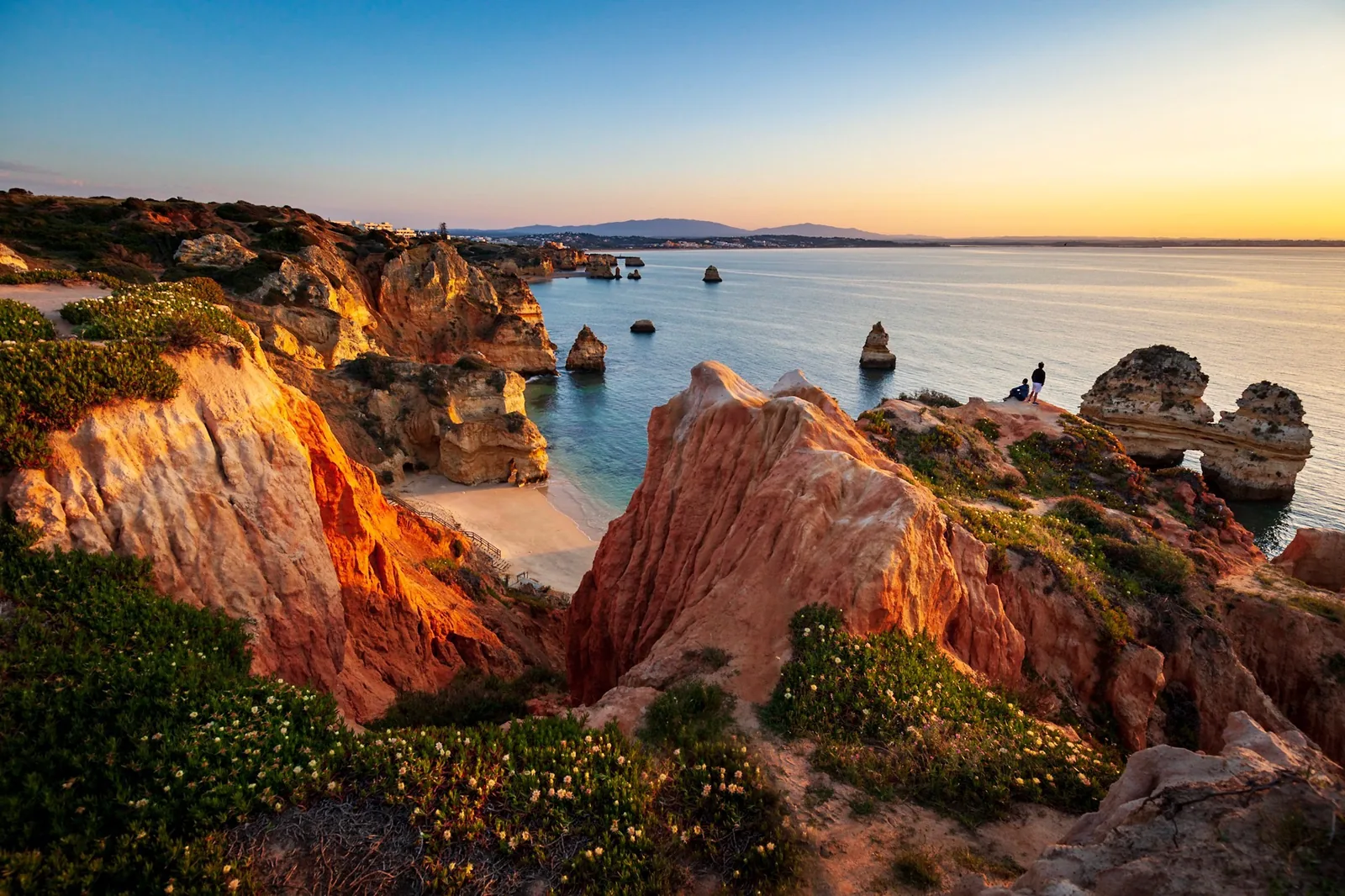
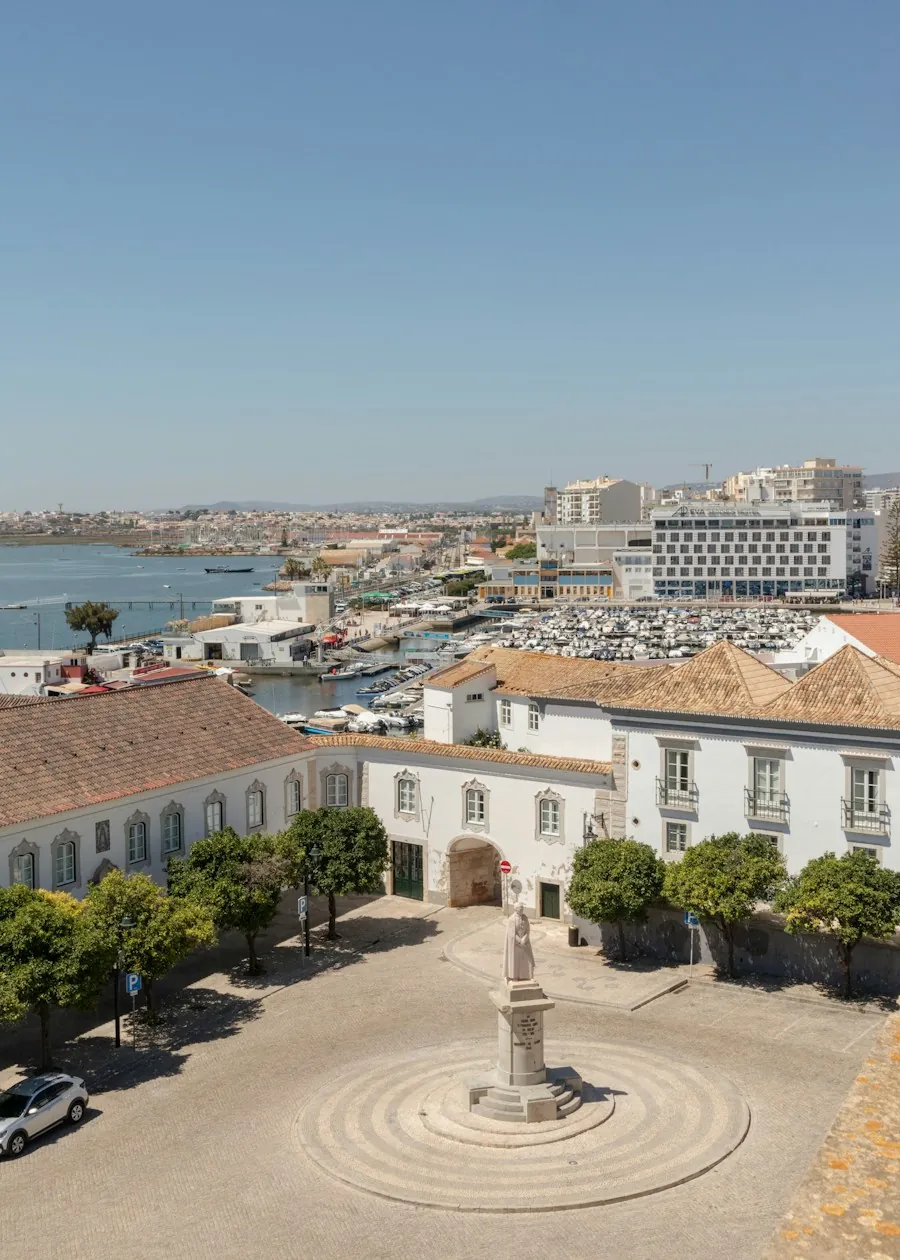
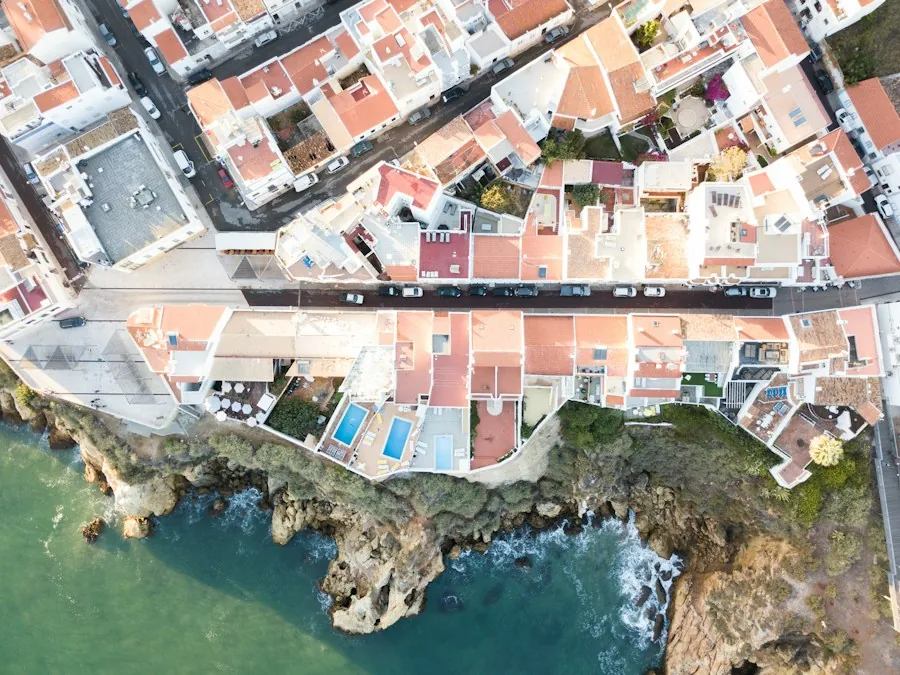
Inspiration beyond the classroom.
The region’s coastline, heritage and relaxed way of life make it a special place to learn.
Erasmus+ Algarve FAQs.
Straightforward answers to common questions about professional development and mobility in Faro.
Where do Learning Together’s Algarve Erasmus+ courses take place?
Learning Together holds its courses in centrally located, city-centre venues across all our destinations. In the Algarve, training takes place in central Faro. We confirm the exact venue and address for each edition during the registration process. Please wait for written course confirmation before booking flights or accommodation.
Are these courses suitable for Erasmus+ KA1 staff mobility?
Learning Together offers structured professional-development courses that may be relevant to Erasmus+ KA1 staff mobility. Your sending organisation must verify the course fits the approved project, objectives and applicable Erasmus+ funding rules.
How do I find confirmed teacher training dates in Faro?
Consult the official Learning Together calendar and the individual course page.
What certificates or mobility documents are available?
Course-related certificates and supporting documents are coordinated according to the programme and participant requirements. Contact Learning Together to confirm the documents needed by your sending institution.
Do the Algarve training fees include accommodation and travel?
No. Learning Together’s course fee covers the training, pedagogical and mobility coordination, administration, training-related logistics, learning methodologies, materials and applicable course documentation and certification. Flights, accommodation and meals are not included. We provide destination guides and practical suggestions for accommodation and travel. Under an approved Erasmus+ mobility project, course fees, travel and individual support for accommodation and meals may be funded through the Erasmus+ grant, subject to your sending organisation’s eligibility and funding rules.
Can a school register several teachers for the same course?
Schools and education organisations can enquire about group participation. The team can explain course suitability, editions and practical arrangements based on the group’s needs.
Considering another Erasmus+ destination?
Compare training opportunities across Portugal and the wider Learning Together destination network.
Your next Erasmus+ experience could start in the Algarve.
Discover your course, connect with educators and explore southern Portugal.
All teacher training courses in Algarve
 ◷
5 / 6 days
ChatGPT – How to Handle AI in Schools
Practise using ChatGPT and generative AI for lesson planning, classroom activities and responsible school use. Review accuracy, ethics and digital literacy.
 ◷
5 / 6 days
Outdoor Education – Nature as a Learning Space
Design inclusive outdoor learning activities using nature as a classroom. Explore place-based teaching, collaboration and reflection.
 ◷
5 / 6 days
AI for Innovative Teaching: Writing, Video, Audio
Produce teaching resources with generative AI for writing, images, audio and video. Explore creative lesson design, accessibility and responsible use.
 ◷
5 days
Wellbeing First – Stress Relief Strategies
Practise accessible stress-relief techniques, reflection and wellbeing routines for educators facing classroom demands and professional overload.
 ◷
5 / 6 days
Wellbeing Outdoors – Mind, Health and Stress Relief
Combine nature, movement and reflective activities for educator wellbeing. Explore inclusive outdoor practices and practical stress-management ideas.
 ◷
5 / 6 days
AI Assistant for Teachers and Trainers
Explore AI assistants for lesson planning, communication and workload management. Practise responsible use of ChatGPT, Copilot and related tools.
 ◷
5 days
Positive Learning and Wellbeing in Schools
Explore positive education, classroom belonging and practical wellbeing routines. Build strategies that support participation and relationships.
 ◷
5 / 6 days
Stress Management Through Mindfulness, Yoga, and Meditation
Practise mindfulness, yoga and meditation techniques for stress awareness and educator wellbeing, with ideas to adapt appropriately to schools.
 ◷
5 days
Cheerful Classroom – Joy in Learning
Explore positive classroom routines, motivation and creative activities that support joyful, participatory learning and stronger teacher-student relationships.
 ◷
5 days
AI Prompt Engineering for Educators
Develop reusable prompts for lesson planning, feedback and classroom resources. Practise prompting frameworks, quality checks and responsible AI use.
 ◷
5 / 6 days
Advanced AI Assistant – Workflows and Automation
Design responsible AI assistants and auditable workflows for schools. Practise knowledge grounding, no-code automation and human oversight in this advanced course.
 ◷
5 / 6 days
Advanced AI in Education – Multimodal Media Production
Create coherent educational media using AI text, images, audio and video. Develop accessible production workflows with editorial and ethical oversight.
 ◷
5 / 6 days
Advanced English Training (B2 to C1)
Improve professional English fluency, accuracy and communication through discussions, presentations and intercultural practice with European peers.
 ◷
5 / 6 days
Advanced Teaching with AI – Pedagogy and Assessment
This training course aims to equip educators with a robust understanding of Artificial Intelligence (AI) and Information and Communication Technology (ICT) as transformative tools in educational settings.
 ◷
5 / 6 days
AI for All – Inclusion in Education and Work
Use assistive AI tools to improve accessibility and inclusion in education and work. Practise captioning, translation and adaptive learning support.
 ◷
5 / 6 days
Coaching – A Powerful Tool
Explore the GROW model, active listening and effective questioning. Practise coaching conversations that support motivation and professional relationships.
 ◷
5 days
Communicating with Impact
Strengthen persuasive, clear and inclusive communication in classrooms, staff meetings and European projects through practical exercises and feedback.
 ◷
5 days
Creating Emotionally Safe Classrooms
Create emotionally supportive classrooms with practical routines for trust, inclusion and positive relationships. Explore ways to respond to learner needs.
 ◷
5 / 6 days
Critical Thinking and Problem Solving in Education
Teach evidence evaluation, reasoning and structured problem solving with classroom routines, discussion protocols and authentic challenges.
 ◷
5 days
Digital Pedagogy and AI Innovation
Use AI tools and digital pedagogy to plan engaging lessons, assess learning and make informed ethical decisions in classroom practice.
 ◷
5 days
Empathic Communication – Listen, Engage, Inspire
Practise active listening, empathy and inclusive conversations to strengthen understanding with students, families and multicultural school teams.
 ◷
5 days
English Language for Teachers
Build practical English speaking, vocabulary and pronunciation for classroom and international communication through interactive language practice.
 ◷
5 days
Enhancing Emotional Intelligence
Explore emotional awareness, regulation and supportive communication to strengthen educator relationships and create positive classroom conditions.
 ◷
5 / 6 days
How to Energize Your Lessons
Practise active learning methods, classroom interaction and motivating lesson routines to increase student participation and engagement.
 ◷
5 / 6 days
Inteligencia Emocional – Claves para la Vida y el Trabajo
La inteligencia emocional es la habilidad de comprender, utilizar y gestionar nuestras emociones de manera positiva. Esto nos ayuda a aliviar el estrés, comunicarnos eficazmente, empatizar con los demás, superar desafíos y resolver conflictos.
 ◷
5 / 6 days
Interpersonal Relationships and Communication
Strengthen interpersonal communication, trust and constructive relationships with students, families and school teams through practical exercises.
 ◷
5 / 6 days
Leadership and Conflict Management
Develop school leadership and conflict-management skills through practical scenarios, communication activities and constructive team approaches.
 ◷
5 days
Meaningful Communication for Inclusive and International Classrooms
Practise inclusive communication for multicultural and international classrooms. Explore accessible language, active listening and shared understanding.
 ◷
5 / 6 days
NLP Coaching for Educators
Explore NLP-informed coaching, listening and communication techniques for educational relationships through practical reflective activities.
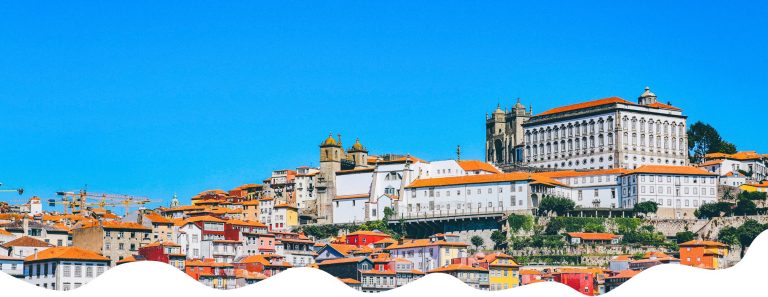
Portugal
Explore Erasmus+ courses for teachers in Portugal. Choose practical training in AI, digital education, wellbeing, leadership and sustainability.
 ◷
5 / 6 days
Positive Psychology in Education
Apply strengths-based positive psychology and the PERMA model to classroom routines, staff wellbeing and supportive school environments.
 ◷
5 days
Social and Communication Skills
Develop listening, speaking and interpersonal skills for effective dialogue with students, colleagues, school leaders and families.
◷
5 days
Spanish Language for Beginners
Start speaking Spanish with practical vocabulary, listening and everyday communication exercises designed for beginners in an international setting.
 ◷
5 / 6 days
Speak to Connect – Building Trust in Schools
Practise trust-building dialogue, purposeful listening and relational communication with students, families and colleagues in educational settings.