 Skip to content

Erasmus+ Courses in Barcelona, Spain
Explore Erasmus+ KA1 teacher training in Barcelona, Spain. Connect with European educators and build practical professional skills in a Mediterranean city of Modernisme, creative culture and international exchange.
Find Erasmus+ teacher training in Barcelona
Search structured courses and KA1 training sessions in Barcelona.
Upcoming Erasmus+ courses in Barcelona
A selected snapshot of published editions. Always confirm availability and course status in the official calendar.
Explore Erasmus courses for teachers in Barcelona
Explore Learning Together’s six European training areas. Check the current Barcelona course programme for available local editions.
AI & Digital Education
Explore practical AI, digital pedagogy and educational technologies for teaching and training.
Explore digital courses →Inclusion & Intercultural Education
Develop inclusive approaches, intercultural communication and supportive learning environments.
Explore inclusion courses →Wellbeing & Outdoor Education
Discover educator wellbeing, reflective practice and outdoor learning approaches.
Explore wellbeing courses →Leadership, Communication & Soft Skills
Strengthen collaboration, communication, leadership and professional relationships.
Explore soft skills courses →Language Learning & CLIL
Build language confidence and discover approaches to language teaching and CLIL.
Explore language courses →STEM/STEAM & Sustainability
Explore active STEM/STEAM learning, creative problem-solving and sustainability education.
Explore STEM courses →Why choose Barcelona for Erasmus+ teacher training?
Barcelona brings together Catalan cultural heritage, Mediterranean neighbourhoods and hands-on European professional learning.
European educator exchange
Learn alongside teachers and trainers from different European settings.
Modernist architecture
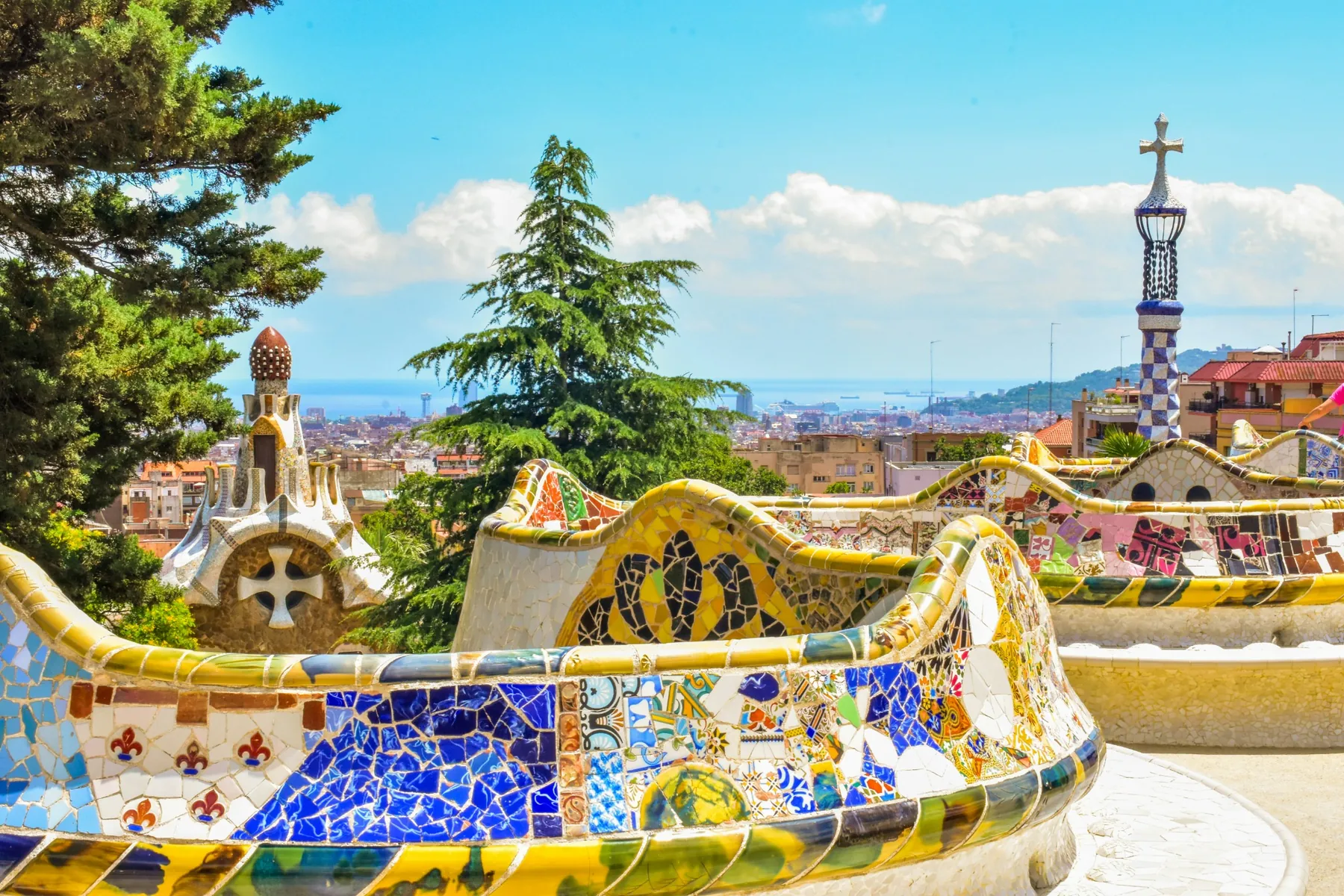
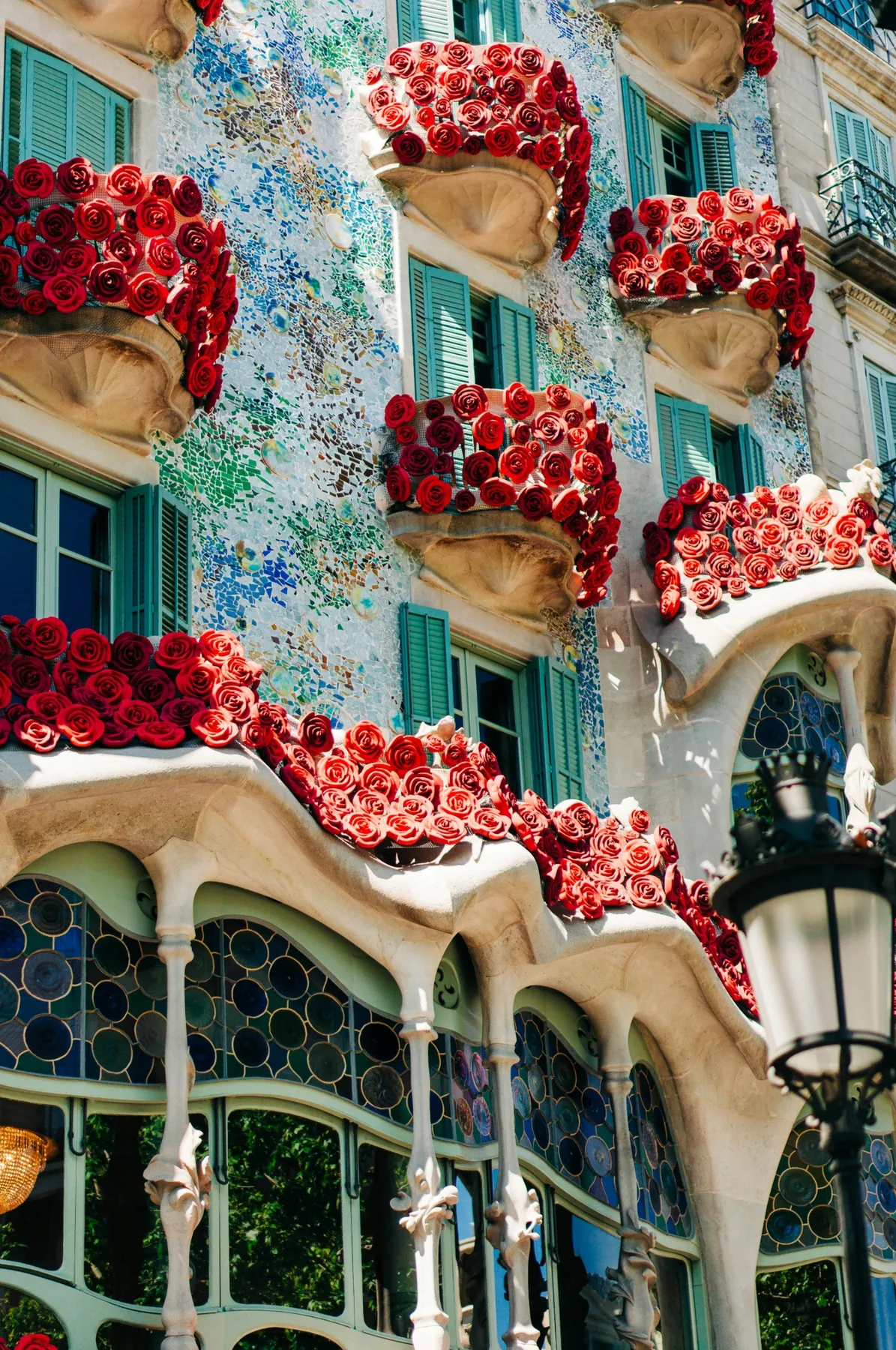
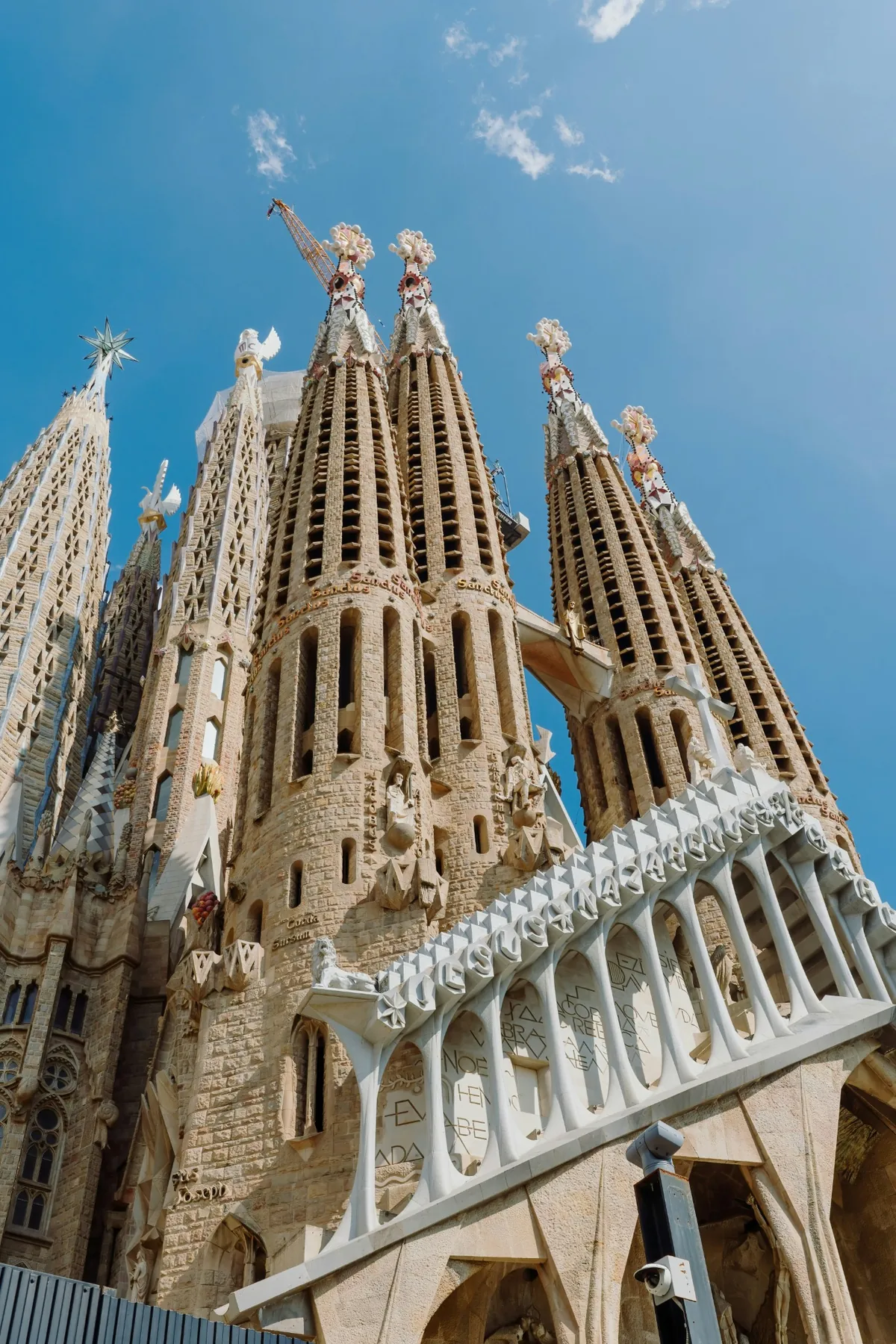
Discover Gaudi landmarks and a distinctive urban architectural legacy.
Mediterranean city life
Enjoy promenades, parks and Mediterranean neighbourhoods after training.
Creative culture
Engage with design, museums and Catalan traditions.
Learn in Barcelona. Take new ideas home.
Barcelona brings together Catalan cultural heritage, Mediterranean neighbourhoods and hands-on European professional learning.
A city shaped by culture and history.
From Roman Barcino and the medieval Gothic Quarter to Modernisme and contemporary design, Barcelona offers distinctive settings for cultural learning.
Barcino and the Gothic Quarter
Roman walls and the medieval street network preserve layers of the city’s earlier history.
Discover more +
Roman walls and the medieval street network preserve layers of the city’s earlier history. Explore the destination and its cultural experiences around your training schedule.
Gaudi and Catalan Modernisme
Buildings associated with Antoni Gaudi and the Eixample illustrate creative architectural innovation.
Discover more +
Buildings associated with Antoni Gaudi and the Eixample illustrate creative architectural innovation. Explore the destination and its cultural experiences around your training schedule.
Mediterranean knowledge and culture
Museums, research institutions, neighbourhoods and public spaces support intercultural encounters.
Discover more +
Museums, research institutions, neighbourhoods and public spaces support intercultural encounters. Explore the destination and its cultural experiences around your training schedule.
Plan your Erasmus+ training with confidence.
Practical Erasmus+ KA1 mobility information for teachers and school leaders planning training in Barcelona.
Who can participate?
Our structured courses are designed for educators and education professionals. Check each programme for its intended audience, teaching language and recommended entry level.
Course format and learning outcomes
Training normally combines interactive workshops, collaborative activities, professional exchange and practical methods to apply after returning home. Exact duration, daily schedule, objectives and included cultural activities are shown on individual course pages.
Erasmus+ funding and course fees
Erasmus+ grant support: Depending on your approved mobility project and applicable Erasmus+ rules, funding may cover course fees and contribute towards travel and individual support for accommodation and meals. Your sending organisation confirms eligibility, grant amounts and reimbursement conditions.
Included in our course fee: Structured training, pedagogical and mobility coordination, course administration, training-related logistics, teaching methodologies, learning materials and applicable course documentation and certification.
Not included: Flights, accommodation, meals and personal expenses. We provide destination guides, practical travel information and accommodation suggestions to help participants plan their stay.
Certificates and documentation
Learning Together supports course-related mobility documentation and certificates, subject to participation and applicable requirements. Discuss Learning Agreements and Europass documentation with your mobility coordinator.
Everything you need for your stay.
Plan your arrival, accommodation and free time in Barcelona once your course has been confirmed.
Getting here & local transport
Barcelona El Prat Airport (BCN) is the main international gateway. The city has an extensive metro, bus and rail network, but travel times depend on the confirmed training venue.
- Airport metro: L9 Sud serves terminals T1 and T2 and connects with other metro lines at Torrassa (L1), Collblanc (L5) and Zona Universitaria (L3). The airport metro requires an eligible ticket; check current TMB fares.
- Other airport links: Aerobus services connect the terminals with central Barcelona. Regional trains from Terminal 2 and city bus services offer alternatives; choose the route after checking your hotel and venue.
- City transport: Metro, FGC, Rodalies trains, buses and trams cover many districts. Use official operator journey planners and allow extra time for transfers during busy periods.
- Walking and access: The Eixample has broad streets, while the Gothic Quarter has narrow and sometimes uneven pedestrian routes. Check step-free access if needed.
Accommodation & stay
Once your course is confirmed in writing, choose accommodation based on the actual venue address. Barcelona is a large city, so staying in the right district matters more than choosing a famous landmark.
- IMPORTANT: Do not book flights or accommodation until you have contacted Learning Together, completed full registration and received written confirmation of your course, dates and training venue.
- Areas to consider: Eixample, Placa de Catalunya, Sants and other well-connected neighbourhoods may be convenient, depending on the assigned classroom.
- What to compare: Check the journey to the venue, metro connections, cancellation terms, tourist taxes and accommodation accessibility before committing.
- Training location: The exact course venue and meeting instructions are sent for the confirmed edition. Do not assume every Barcelona course uses the same classroom.
Barcelona food & culture
Barcelona offers Catalan food traditions, neighbourhood markets and diverse dining options for afternoons and evenings after training.
- Local dishes: Try pa amb tomaquet, escalivada, crema catalana and Catalan rice dishes; menus and seasonal specialities vary by restaurant.
- Market culture: Explore markets such as La Boqueria and Santa Caterina for regional ingredients, prepared food and fresh produce.
- Neighbourhood atmosphere: Discover tapas bars, local cafes and restaurants in Eixample, Gracia, El Born and the Gothic Quarter.
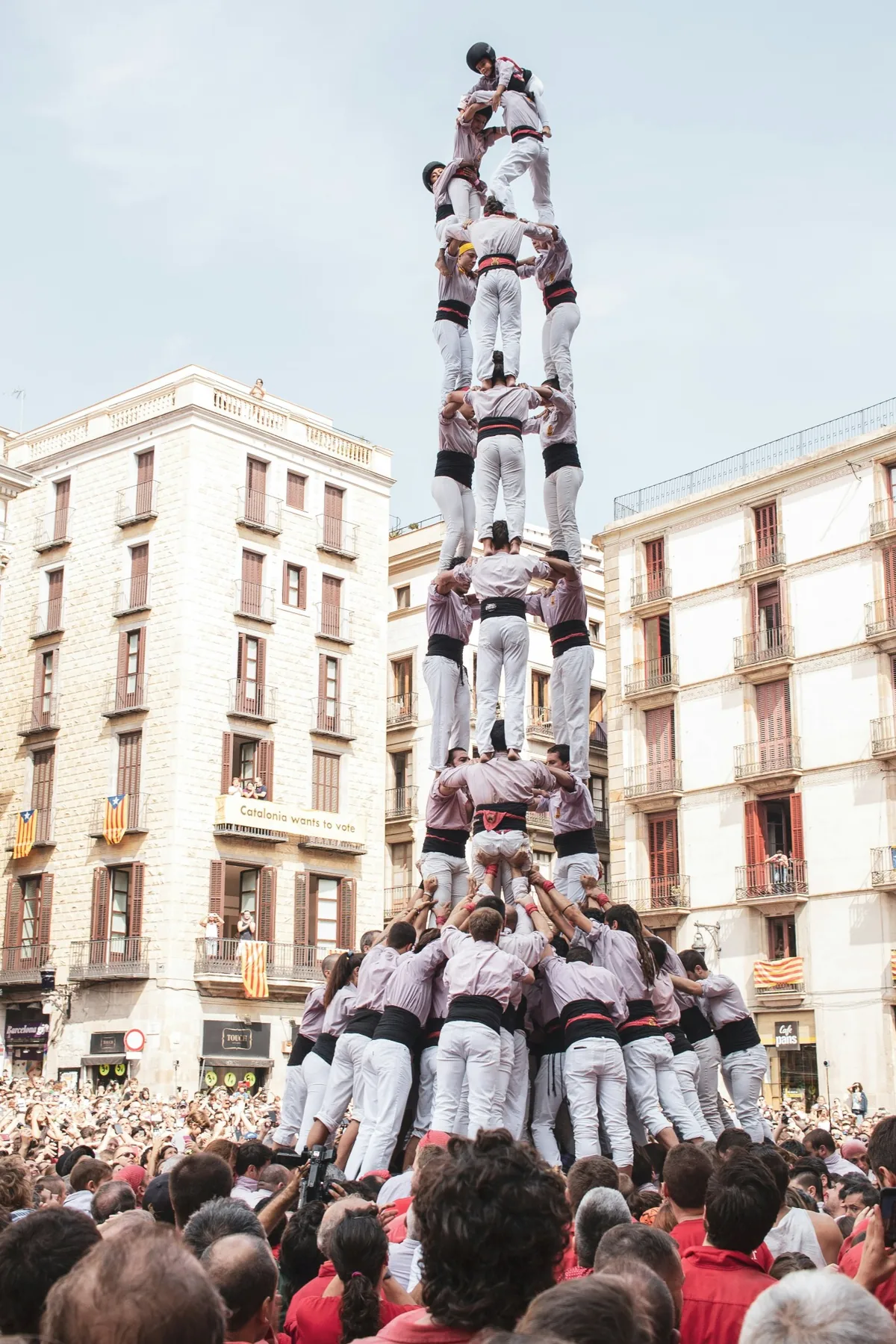
- Cultural traditions: Modernist architecture, Catalan festivals and castellers (human towers) add to the city’s cultural identity; check event dates.
What to see & do
Barcelona combines architecture, coastline, museums and public spaces. Plan visits around course hours and book popular attractions ahead.
- Gaudi and Modernisme: Sagrada Familia, Park Guell, Casa Batllo and La Pedrera are major architectural landmarks; timed entry is often advisable.
- Historic Barcelona: Walk through the Gothic Quarter, see Barcelona Cathedral and explore El Born and the Picasso Museum.
- Green spaces and viewpoints: Consider Montjuic, its gardens and museums, Parc de la Ciutadella and city viewpoints.
- Waterfront: Barceloneta and the seafront promenades offer walks and relaxation; allow for travel time from the venue.
Inspiration beyond the classroom.
Discover the architecture, heritage and everyday culture that make Barcelona a distinctive destination beyond the classroom.
Erasmus+ Barcelona FAQs.
Helpful answers about Erasmus+ training, documentation and travel arrangements in Barcelona.
Where do Learning Together courses in Barcelona take place?
Barcelona city; the confirmed course edition determines the exact venue. Exact details are sent with written confirmation.
Can Erasmus+ KA1 funding support training in Barcelona?
Course fee, travel and individual-support eligibility depends on your approved Erasmus+ mobility project and sending organisation.
Where can I find confirmed course dates in Barcelona?
Consult the official Learning Together calendar and the relevant course pages for all information.
How long are Learning Together courses in Barcelona?
Exact course length and daily training schedule depend on the individual edition.
Are flights, accommodation and meals included?
No. Flights, accommodation and meals are separate. We can provide practical guidance after registration.
Can schools register teams and receive mobility documentation?
Schools can enquire about groups, Learning Agreements, certificates and Europass-related documentation.
Considering another Erasmus+ destination?
Compare European training opportunities across Portugal, Spain and Poland.
Your next Erasmus+ experience could start in Barcelona.
Discover teacher training, connect with European educators and explore Barcelona.
All Courses in Barcelona
 ◷
5 / 6 days
Teaching with AI – Tools and Techniques
Test AI tools for lesson planning, classroom resources and teaching techniques. Explore critical evaluation and practical integration in daily lessons.
 ◷
5 / 6 days
ChatGPT – How to Handle AI in Schools
Practise using ChatGPT and generative AI for lesson planning, classroom activities and responsible school use. Review accuracy, ethics and digital literacy.
 ◷
5 / 6 days
Outdoor Education – Nature as a Learning Space
Design inclusive outdoor learning activities using nature as a classroom. Explore place-based teaching, collaboration and reflection.
 ◷
5 days
Wellbeing First – Stress Relief Strategies
Practise accessible stress-relief techniques, reflection and wellbeing routines for educators facing classroom demands and professional overload.
 ◷
5 / 6 days
Wellbeing Outdoors – Mind, Health and Stress Relief
Combine nature, movement and reflective activities for educator wellbeing. Explore inclusive outdoor practices and practical stress-management ideas.
 ◷
5 / 6 days
Digital Literacy for Teachers – Navigating ICT
Build practical digital literacy and ICT skills for lesson planning, student engagement and the effective use of classroom technology.
 ◷
5 / 6 days
Advanced AI Assistant – Workflows and Automation
Design responsible AI assistants and auditable workflows for schools. Practise knowledge grounding, no-code automation and human oversight in this advanced course.
 ◷
5 / 6 days
Advanced AI in Education – Multimodal Media Production
Create coherent educational media using AI text, images, audio and video. Develop accessible production workflows with editorial and ethical oversight.
 ◷
5 / 6 days
Advanced Teaching with AI – Pedagogy and Assessment
This training course aims to equip educators with a robust understanding of Artificial Intelligence (AI) and Information and Communication Technology (ICT) as transformative tools in educational settings.
 ◷
5 days
Communicative Skills for European Teachers
Develop classroom communication, active listening and interpersonal skills. Explore practical approaches for working with students, parents and colleagues.
 ◷
5 / 6 days
Critical Thinking and Problem Solving in Education
Teach evidence evaluation, reasoning and structured problem solving with classroom routines, discussion protocols and authentic challenges.
 ◷
5 / 6 days
Digital Competences, Innovation and Lifelong Learning for Educational Staff
Strengthen digital collaboration, organisational practice and lifelong learning strategies for teaching and educational administration teams.
 ◷
5 days
Digital Pedagogy and AI Innovation
Use AI tools and digital pedagogy to plan engaging lessons, assess learning and make informed ethical decisions in classroom practice.
 ◷
5 / 6 days
Digital Technologies for the Creative Classroom
Create engaging classroom activities with video, images, sound and interactive digital tools. Explore creativity, accessibility and student participation.
 ◷
5 days
Empathic Communication – Listen, Engage, Inspire
Practise active listening, empathy and inclusive conversations to strengthen understanding with students, families and multicultural school teams.
 ◷
5 / 6 days
Interpersonal Relationships and Communication
Strengthen interpersonal communication, trust and constructive relationships with students, families and school teams through practical exercises.
 ◷
5 days
Nonviolent Communication (NVC) Language
Practise empathetic listening, needs-based dialogue and constructive communication using Nonviolent Communication principles in school settings.
 ◷
5 / 6 days
Positive Psychology in Education
Apply strengths-based positive psychology and the PERMA model to classroom routines, staff wellbeing and supportive school environments.
 ◷
5 days
Public Speaking and Conscious Leadership for Teachers
Practise public speaking, clear presentations and purposeful leadership communication for classrooms, meetings and educational teams.
 ◷
5 / 6 days
Soft Skills for Teaching Techniques
Develop communication, adaptability and classroom relationship skills through reflective exercises and practical teaching scenarios.

Spain
Explore Erasmus+ courses for teachers in Spain. Choose practical training in AI, digital education, wellbeing, leadership and sustainability.
 ◷
5 / 6 days
Speak to Connect – Building Trust in Schools
Practise trust-building dialogue, purposeful listening and relational communication with students, families and colleagues in educational settings.